
Montessori-inspired activities
Montessori-inspired activities for kids, printed at home
Sorting, matching, sequencing and hands-on cut-and-place work — printable pages inspired by Montessori principles, drawn for your own child's name, age and favourite theme.
What we mean by Montessori-inspired
MamaPony is not a Montessori school, and our materials are not Montessori-certified or endorsed by any Montessori organisation or trainer. What we do is borrow ideas that work well on paper: one clear task per page, a task that shows the child whether it is right, hands-on work with real cutting and placing, and respect for the child's own pace.
If you are following a Montessori approach at home, treat these as printable extension work rather than a replacement for the physical materials. They are most useful when a child already enjoys sorting and ordering and wants more of it.
- One task per page, with a short, concrete instruction.
- Self-checking design: the count, the group or the sequence makes the answer visible.
- Cut-and-place pages where the pieces belong to that specific board.
- Order of difficulty set by age band, from 2–3 up to 8–10.
Cut & Play: the hands-on part
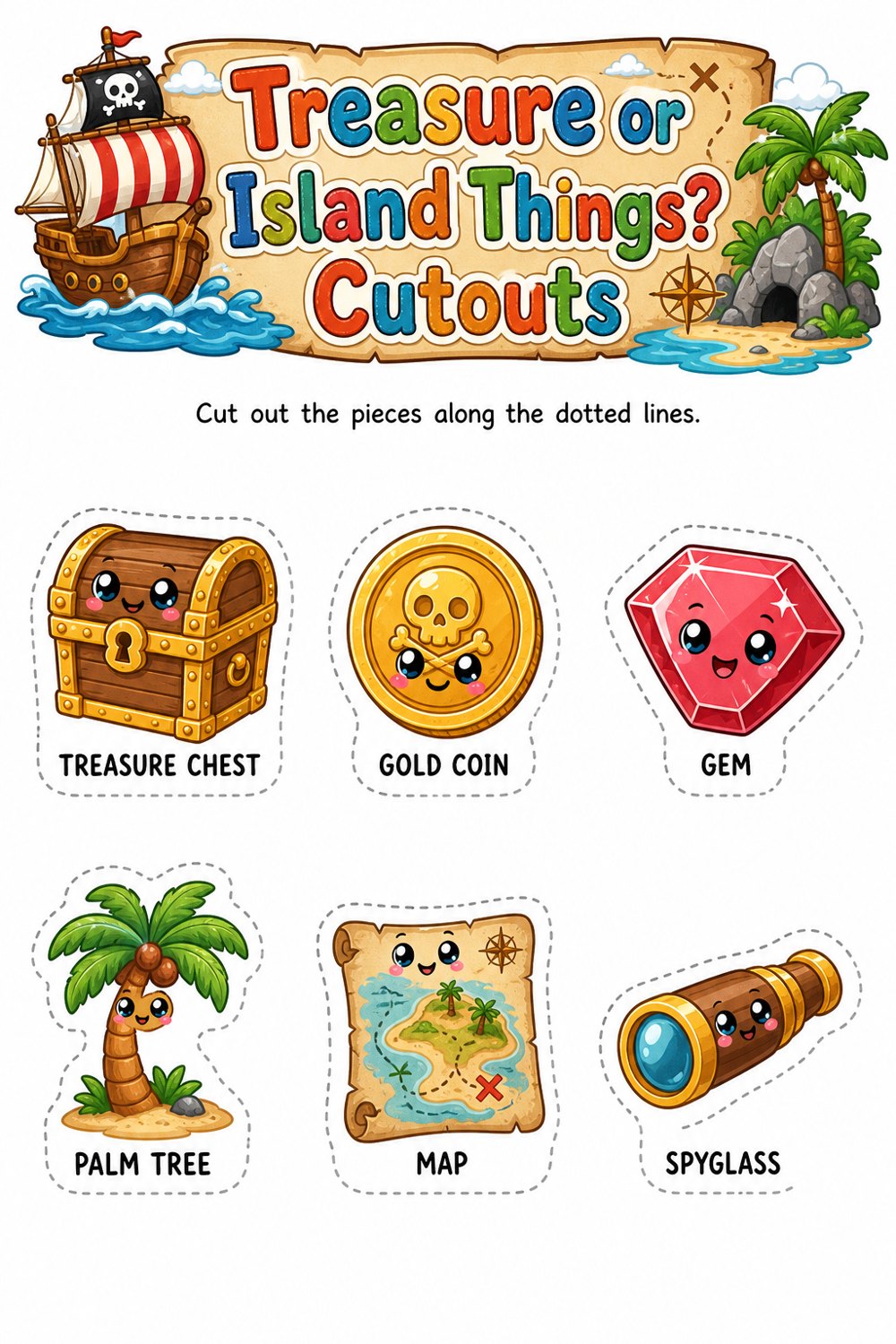
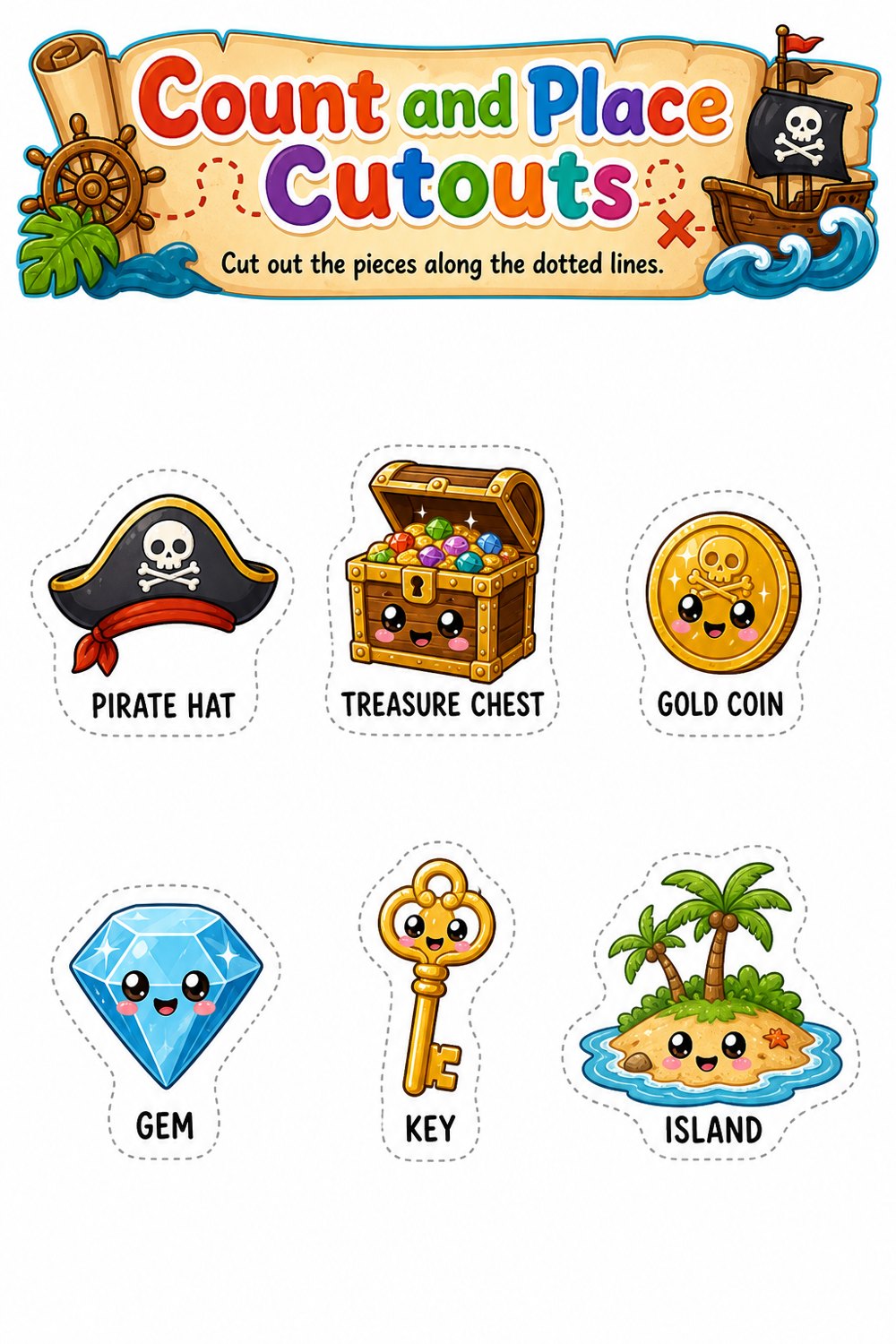
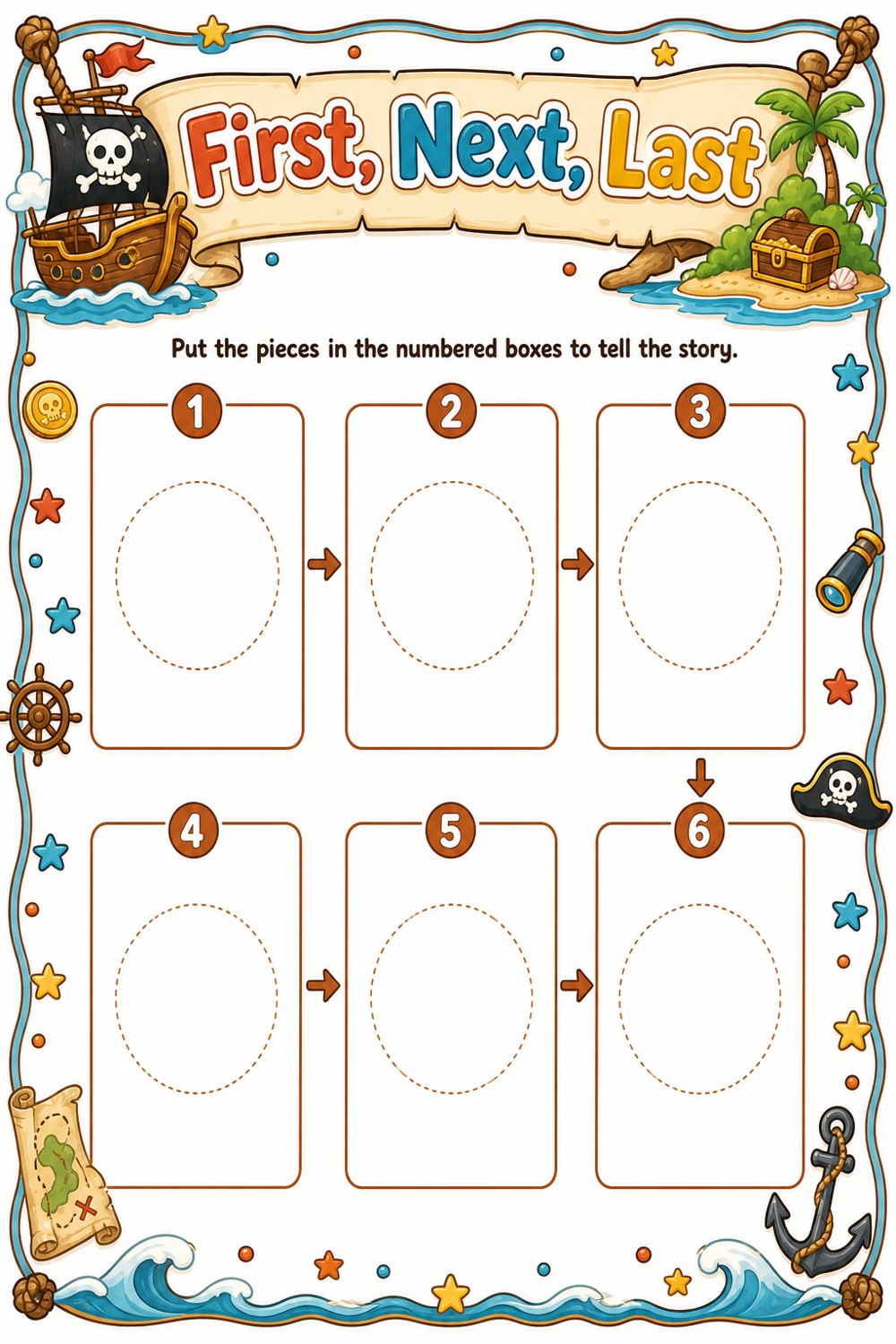
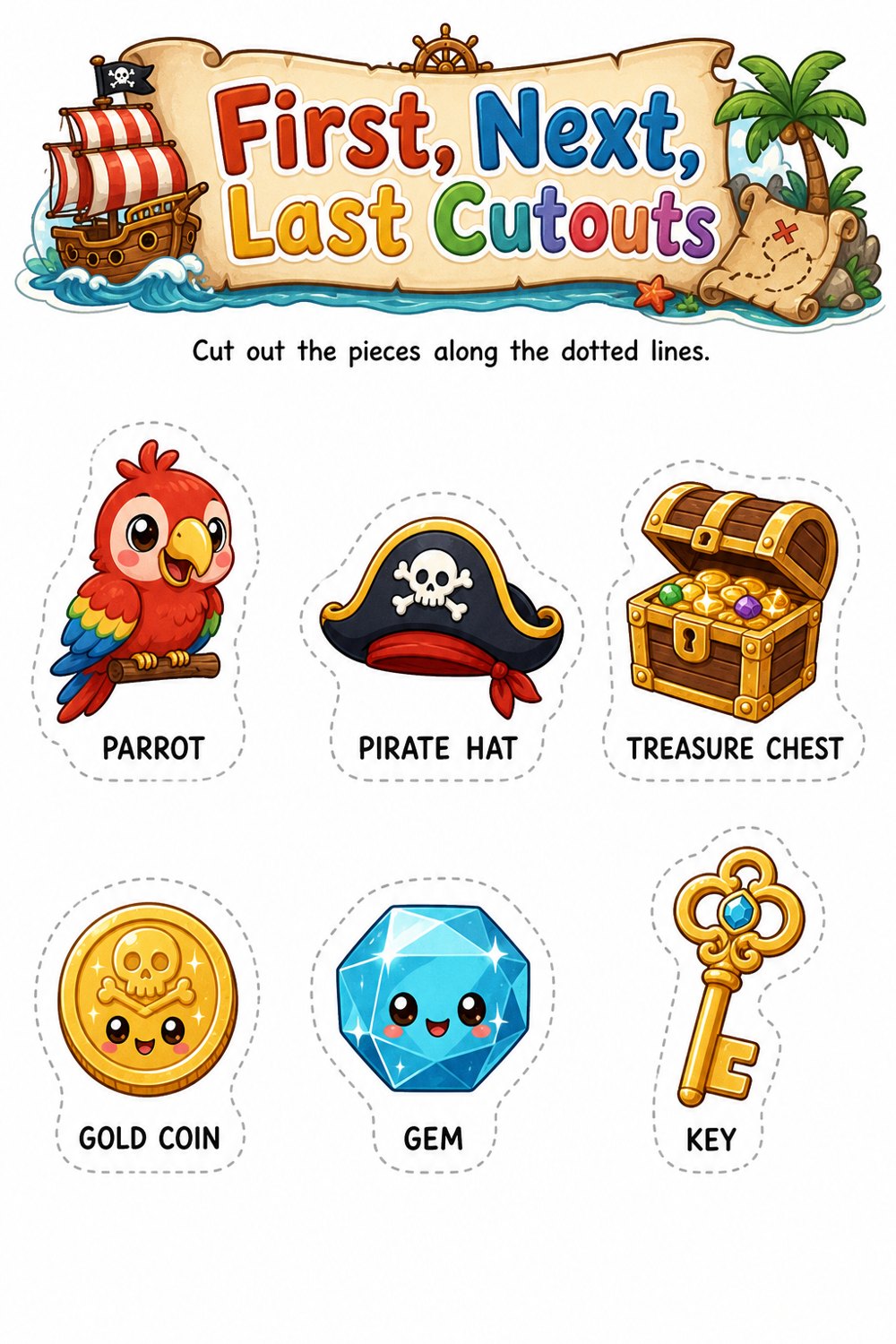
Our Cut & Play books are the closest thing we make to physical material. Each book has three illustrated play boards, and each board comes with its own sheet of matching cut-out pieces, so what your child cuts out always fits the page it belongs to.
The three boards are deliberately different from one another. One might be sorting into labelled groups, one counting and placing the right number of pieces onto a scene, and one putting a short sequence in order — first, next, last. Cutting the pieces is part of the work: it uses scissors, both hands and patience.
Practical life, order and concentration
The pages that home educators tend to reach for are the ordering and classification ones: grouping objects by kind, matching a shape to its shadow, ordering by size or length, and finishing patterns. These reward careful looking rather than speed, and a child will often repeat one they enjoyed several times.
For younger children, the pencil-and-hand-skills focus produces tracing, cutting and careful colouring pages that build the grip and control writing needs later. For older ones, numbers and thinking produces logic and code-breaking work that keeps the same quiet, absorbed quality.
Setting it up at home
Print one page at a time and put it out on a tray or a clear table, rather than handing over the whole book. Scissors, a glue stick and a pencil pot are usually all the extra material needed. Cut-out pieces store well in a small envelope so a board can be repeated another day.
Because you own the PDF, you can reprint a favourite board when the pieces get lost, which happens roughly every second week in most households.
Where to look next
- Home educating? See our personalised homeschool activities for whole-week packs.
- Younger child? Our preschool activities cover ages 2–5 with shorter, chunkier tasks.
- Trying to cut back on screens? Read about screen-free activities for kids.
Questions parents ask
A peek at real pages
Print a hands-on book for your child
Choose their name, age band and theme, and we will draw the boards, the pieces and the certificate.